In today’s luxury resale market, condition plays a decisive role in both price and liquidity. Well-restored bags can increase in value by 30–70%, while items in poor condition often take significantly longer to sell.
At Baggarium, we have observed that many resellers still underestimate this factor — and in doing so, leave substantial value on the table.
The luxury resale market has become significantly more mature and detail-oriented. Buyers are no longer guided solely by brand recognition — they evaluate condition, visual appearance, level of wear, and long-term usability. As a result, condition has emerged as one of the key factors defining both price and liquidity.
Limited Supply and a Changing Market Reality
The vintage market is inherently finite. The supply of authentic handbags in good condition is limited, and this has become increasingly evident in recent years.
For a long time, Japan was considered one of the most reliable sources of vintage luxury handbags. A culture of careful ownership and respect for goods ensured a steady flow of items in A and B condition. However, the market is now undergoing structural change.
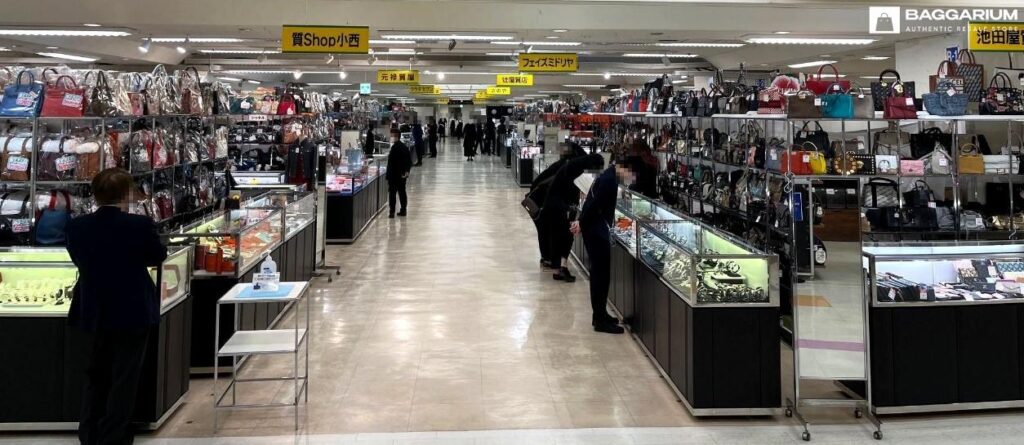
Rising global demand, particularly from the United States and Europe, has significantly increased prices. Bags in good condition are no longer a “cheap source” — in many cases, their acquisition cost is already comparable to final resale prices on Western platforms.
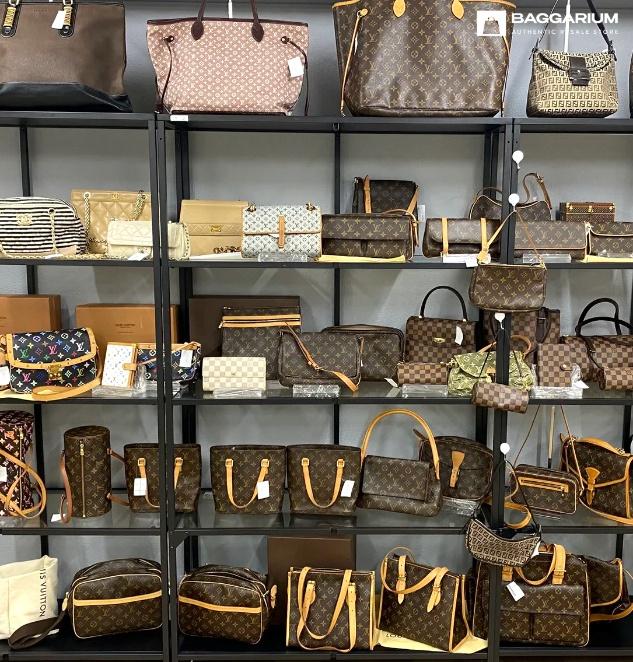
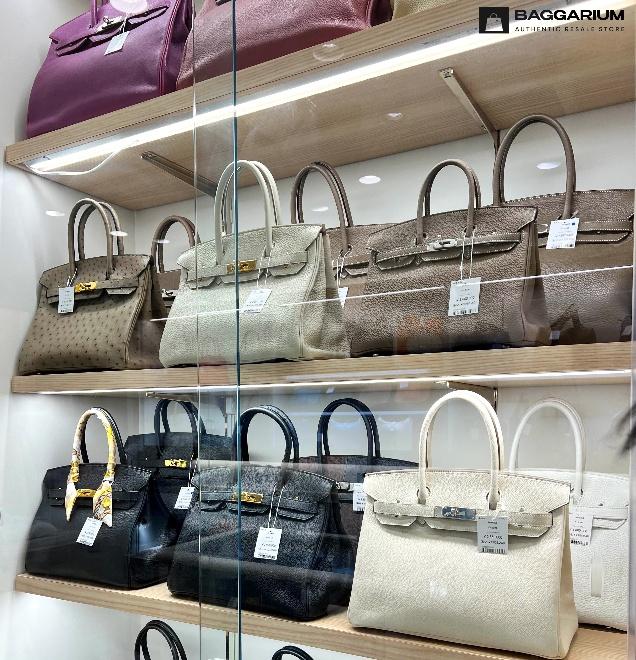
At the same time, the structure of supply is shifting. A growing share of available inventory now consists of C-condition items — pieces with visible wear that require restoration.
Read: The Stylish Bride’s Guide to Hosting a Wedding Party
Condition as an Economic Variable
What was once considered non-liquid inventory is now increasingly viewed as an entry point for value creation.
C-condition bags are typically acquired at a lower cost, but their true value lies not in their current state, but in their potential. In many cases, such items can be acquired at 20–35% below their potential market value after proper restoration. This is where professional restoration becomes essential.
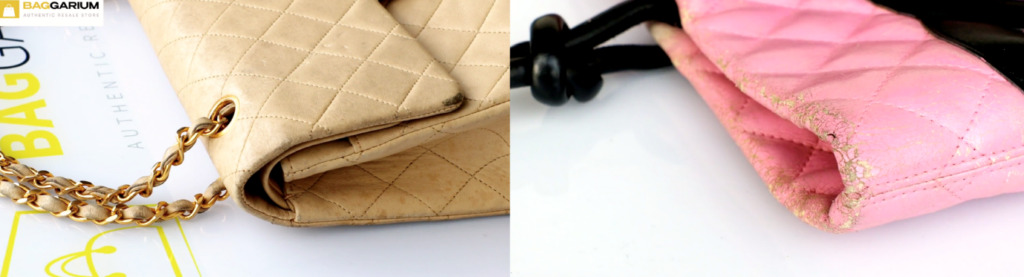
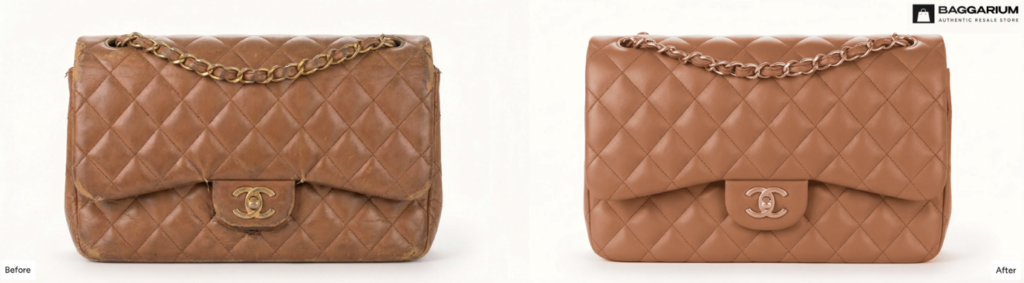
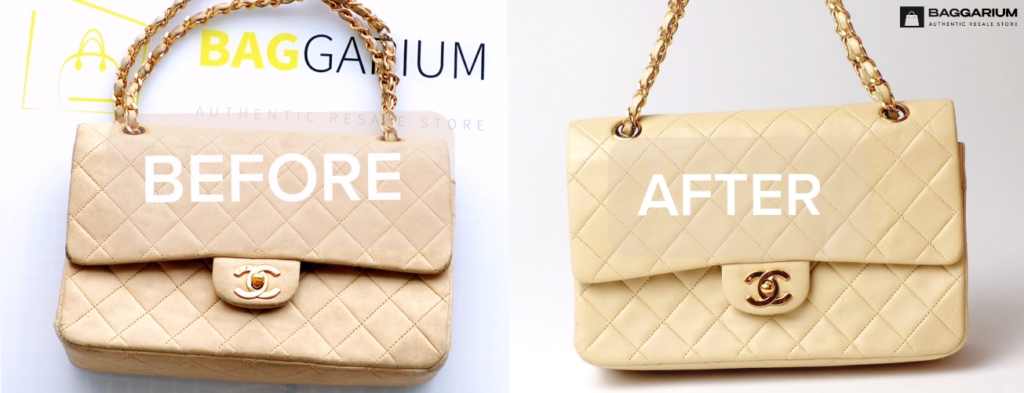
This process goes far beyond superficial improvement. It involves structural correction, leather treatment, defect removal, and the restoration of visual integrity. When executed correctly, a bag can transition from C condition to B or B+, significantly increasing both its market value and desirability.
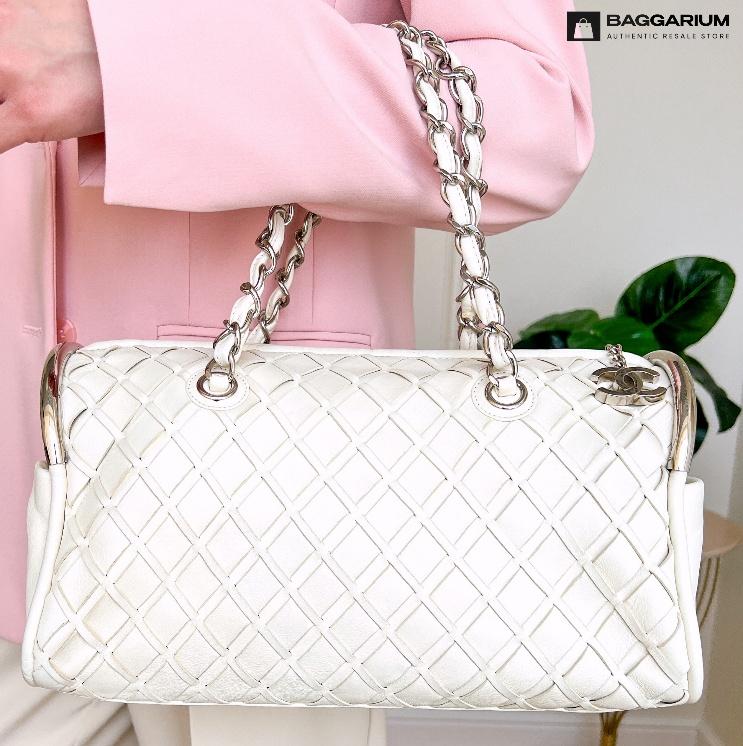
For example, we recently sourced a Chanel bag in poor condition for around $700. After professional restoration, its value increased to approximately $1,400 — effectively doubling its market price.
The brand didn’t change — but the condition did. And that’s what created the value.
At the same time, preserving authenticity is critical. Any intervention must be precise and respectful — the goal is not to “recreate” the item, but to maintain its original materials, structure, and identity. Compromising authenticity directly affects both buyer trust and long-term value.
Restoration as Part of the Business Model
Restoration is no longer a supporting service — it has become a core component of the resale economy.
Modern market participants are increasingly building vertically integrated models, controlling the entire lifecycle of a product: from sourcing to final positioning. Within this framework, restoration serves as a tool for margin optimization and quality control.
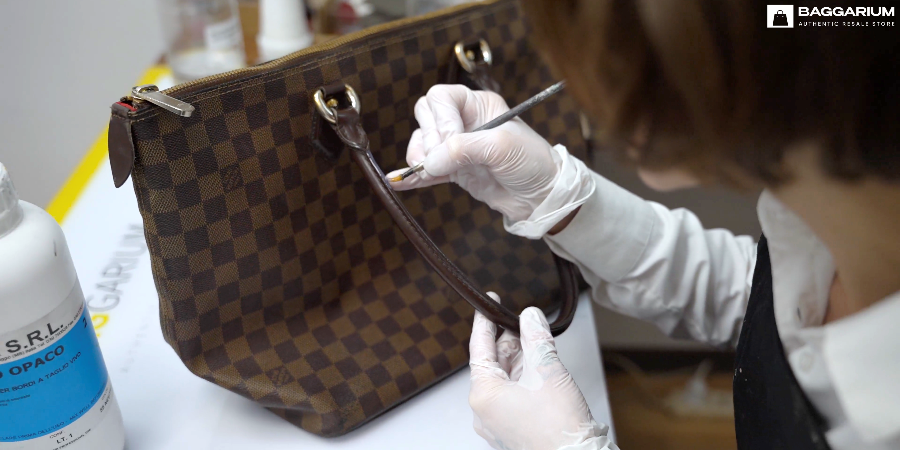
At Baggarium, we approach restoration as part of product development rather than cosmetic enhancement. The objective is to preserve authenticity while bringing each piece to a condition that meets the expectations of today’s market.
This approach is particularly relevant in an overheated market, where access to high-condition inventory is limited and competition is intense.
Japan and a New Market Approach
Japan remains a key sourcing market, but the strategy for working within it is evolving.
Previously, the focus was on acquiring “perfect condition” pieces at favorable prices. Today, the emphasis has shifted toward identifying items with potential. C-condition bags are increasingly viewed as raw material — assets that can be transformed into market-ready products through proper restoration.
At Baggarium, we see this shift clearly: the market is offering fewer ready-made solutions and increasingly demands expertise — both in sourcing and in post-acquisition processing.
This requires not only market knowledge, but also a well-developed infrastructure for restoration and evaluation.
The Future of Resale: From Trading to Product Creation
Luxury resale is no longer defined by the traditional “buy and sell” model. It is evolving into an industry where processes — selection, restoration, and positioning — play a central role.
The advantage lies with those who can not only source inventory, but transform it into a finished product aligned with market expectations.
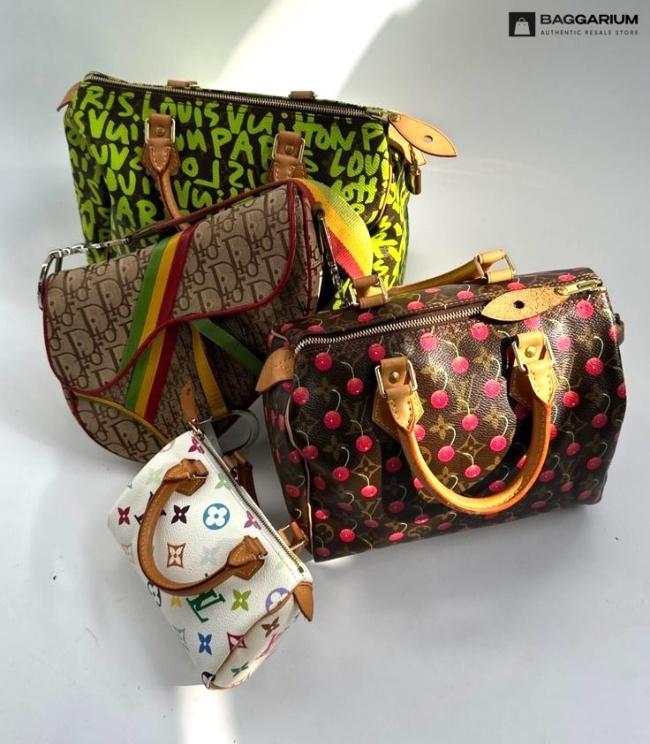
In this context, condition is no longer a fixed attribute. It becomes a variable — one that can be actively managed. This shift opens new opportunities for value creation within modern luxury resale.
At Baggarium, we see this not as a temporary trend, but as a fundamental transformation of the industry. In the years ahead, the ability to manage condition — not just source inventory — will define the leaders of the luxury resale market.