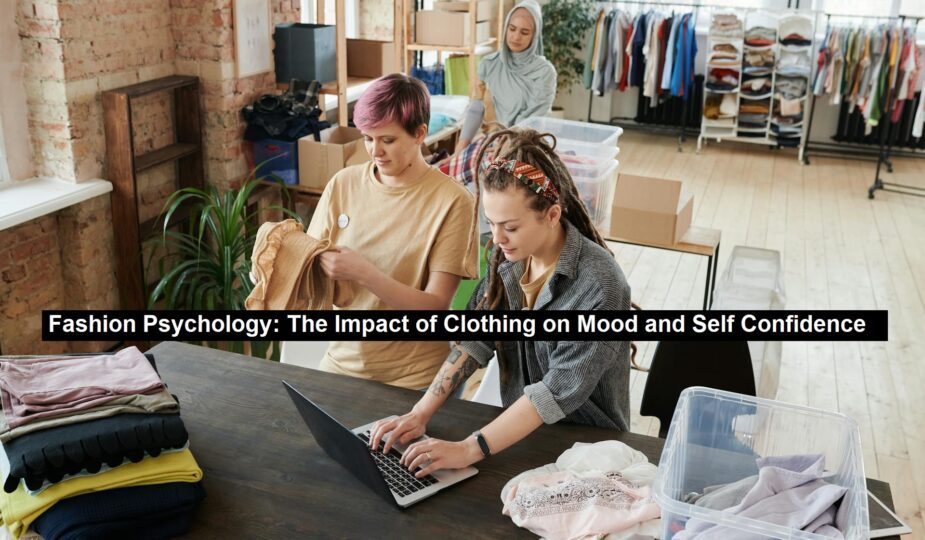
While many people see fashion merely as a positive reflection taste, culture, or social status, the benefits of what a person wears and its impact goes deeper than that. Clothing influences how people see you, but it also affects how you see yourself. The recently developed discipline of fashion psychology highlights the relationship between clothing, mood, and performance.
With the world evolving and valuing individual expression and mental health, the clothing and psychology relationship is more relevant now than ever. The following will explain how clothing affects emotions, esteem, and confidence.
The Study of Fashion Psychology
Fashion psychology draws some of its earliest research from the concept of “enclothed cognition” introduced by Hajo Adam and Adam D. Galinsky in 2012. The researchers found that clothing and its associated meanings, and the physical experience of wearing clothing, can influence one’s thinking and behaviour.
In one study, participants performed better on attention-related tasks when they wore a white coat described as a doctor’s lab coat than when it was described as a painter’s coat. This shows that clothing affects how we feel and how we function. To sum it up, clothing can be a means of self-empowerment.
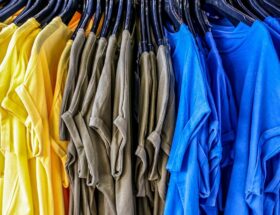
Mood Boosting Through Colours
One of the simplest but most powerful components of clothing is colour psychology. Each colour brings unique feelings and energy:
- Bright colors (yellow, orange, pink): Seen as cheerful and optimistic. They can help lighten your mood on dull days.
- Blue and Green: Often calming and soothing as well as being trusted, peaceful and balanced.
- Red: Bold and passionate. It can increase energy and confidence as well as heart rate.
- Black: Always elegant. It can imply authority and sophistication but can feel heavy or sombre if used too much.
Choosing colors can help a person change their mood or the mood of their day. For example, on a gloomy Monday, a person might feel more energized and motivated if they put on a bright outfit.
Clothes as Confidence Catalysts
Clothes are more than a basic need. They defines our identity. Confidence stems from perception, and self-esteem are reflected in the clothes we choose.
1. Fit and Comfort. It hardly needs explanation. Comfort fit clothes sparks and boosts confidence. Worrying about a self-conscious and distracting mindset placed by ill- fit clothes is draining.
2. Symbolic Power. Clothing evokes certain mental stacks. Attires bring confidence. Workout clothing elevates self-discipline. Being productive is emotional and psychological. Confidence tied to a clothing reflects in its work.
3. Self-Expression. Aligning clothes to identity promotes a sense of self. There is confidence in authentic expression.
4. Social Feedback. Feedback impacts confidence. Social feedback shifts a person’s self-esteem.
Take the feeling of confidence tied to self-dressing. There is an elevated sense of self when one chooses to intentionally dress. A person feels more ‘put-together’ and confident. Dressing for a video call is always better than old, worn-out clothes even when no one sees.
The Impact of Clothing on Psychological Wellness
Choosing outfits may become a self-care ritual. The two become intertwined when outfits become routines mental health chiseling:
- Outfits During Crisis: At times of crisis selecting an outfit that feels empowered gives one control in a spiralling world
- Fashion and Self Image: Self-image and struggling with mental health can create positive routes of rediscovery through healing in self-scratching and self-fashion experimentation
- Happy Outfits: Colour, patterns and playfulness can lower stress and improve overall emotional health. clothing preferences, if intentional, release mental pressure.
Social and Cultural Aspect
Socio-cultural and psycho-socio domains of humanity cannot be excluded in fashion. Cultural conditioning and national norms often core the psyche-in and the psyche out of clothing:
- Traditional clothing instils group cohesion, pride and rootedness psychology.
- Western formal clothing, blazers and “professional” dresses create an atmosphere of decision-making authority and professionalism.
- In many cultures the utilization of a particular colour or garment of clothing symbolizes wealth, prosperity and spirituality.
Fashion is about more than self-expression. It is about collective narrative participation. It cultivates confidence within a cultural framework and connects people culturally.
Read: Signet Rings for Women: An Emerging Trend in Modern Jewellery
The “Fake It Till You Make It” Effect
An intriguing attribute of fashion psychology is clothing’s self-fulfilling prophecy. When you dress like the target persona you wish to embody, the transformation starts to occur.
Wish to feel more productive and motivated in your work at home? Wear professional clothing. Want to feel more social and outgoing? Wear a social outfit to run your errands. Outfits and clothing styles can shift our mental states and motivate us to take action, turning dreams and aspirations into reality.
It is easy to understand why so many people wear ‘power clothing’ to job interviews, first dates, and big presentations. When people dress the part, they are more likely to act like the part.
Building a Mood-Enhancing Wardrobe
Fashion psychology can drive the use of clothing as a means of psychological empowerment. Here are some actionable steps to take:
Curate with Intention: Building a more empowering wardrobe starts with avoiding impulse purchases. You should avoid buying random trendy pieces. Build a wardrobe that resonates with your identity, aspirations, and comfort instead.
Your clothes should reflect how you feel. You’ve probably heard of the language of fashion. Understanding how clothes influence your emotions will help you make the right choices.
Colour Strategy
Choose colors that make you happy. Neutrals are great base choices for clothes but make sure to add bright colors to keep them energetic:
- Invest in Fit: Fit and tailoring can make a cheap outfit look expensive. Versatile and affordable clothes get upgraded the more they fit your style.
- Occasion Dressing : Match your clothes to your goals for the day. Each member of your wardrobe should cater to different activities, be it work, rest, play, or socializing.
- Declutter : Damage can be done emotionally by holding on to clothes that no longer fit you or are in style. A thoughtfully organized wardrobe enhances mental clarity and minimizes decision fatigue.
Conclusion
Fashion is more than style. Your clothes and how you wear them orbit your thoughts and feelings, and of course, your attitudes. Well-fitting clothes boost confidence, and strategically chosen colors are great for lifting your mood. Your wardrobe should be a daily source of empowerment. Wear clothes that reflect your aspirations and mood. Keep in mind that the next time you open your wardrobe, you are not merely selecting pieces of clothing, but determining your desired state of mind.